Rainwater Harvesting Laws Arizona
Rainwater harvesting laws Arizona. Arizona is a desert. Consequently, every drop of water is precious. Many residents want to save this resource. They see rain fall on their roofs. Then, they wonder if they can collect it. A common myth creates fear. For instance, people worry that harvesting rain is illegal. They think the state controls all water. Fortunately, this guide provides clear answers.
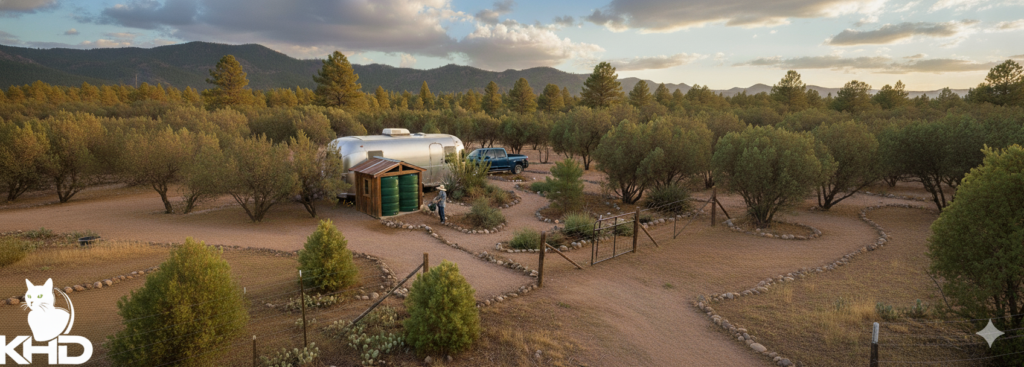
Rainwater harvesting is not a legal gray area. In fact, Arizona law is very clear. The state actively encourages this practice. It is not just legal. Instead, it is a vital part of Arizona’s water strategy. This guide details the laws. Furthermore, we will explore the generous rebates. You will learn the rules for your home and understand the benefits. Harvesting rain helps you. Moreover, it also helps your community. It protects Arizona’s future.
The Big Answer: Is Rainwater Harvesting Legal in Arizona?
Let’s answer the main question. Yes. Rainwater harvesting is 100% legal in Arizona. You can collect the rain that falls on your property. In fact, state law fully permits this. You can use rain barrels. Installing large cisterns is also an option. The choice is yours.
Arizona’s government supports water conservation. Specifically, it sees rainwater harvesting as a solution. This is not a new idea. Desert dwellers have done this for centuries. Today’s laws reflect this wisdom. You will not be taxed for collecting rain. Additionally, you will not be fined. Instead, you might even get paid for it.
Of course, some homeowners face a different barrier: HOAs. Homeowner Associations often create strict rules. They might restrict barrels or tanks. However, Arizona law offers some protection. Certain laws limit an HOA’s power. For example, they cannot completely ban drought-friendly landscaping. Some local ordinances are even stronger. Tucson, for instance, has rules. Its ordinance stops HOAs from banning rainwater harvesting. This empowers homeowners. As a result, you can save water without fighting your HOA. Always check your local city code. Also, review your HOA documents first. Rainwater Harvesting Laws Arizona
Why Harvest Rain in Arizona?
Arizona faces a serious water challenge. The climate is arid. Population growth is high. Furthermore, the Colorado River supplies less water. These factors create water insecurity. Therefore, Arizona must conserve every gallon. Rainwater harvesting is a powerful tool. It is a decentralized solution. In other words, every home can become a small water source.
When you harvest rain, you save potable water. Potable water is treated drinking water. We use this precious water on our landscapes. This is very wasteful. On the other hand, collected rainwater is perfect for plants. It is free of chlorine. Plus, it has no added salts. Plants thrive on rainwater. Consequently, you reduce your demand on the city’s water supply.
Harvesting rain also saves you money. Your water bills will decrease. This is because you use less city water for irrigation. The savings add up over time. Some systems can pay for themselves. This is especially true with rebates. Rainwater is a free resource. You are simply capturing what falls on your home. Ultimately, it makes financial sense.
There are other benefits too. Rainwater harvesting reduces stormwater runoff. Heavy monsoon storms create floods. Runoff carries pollutants into our washes. What’s more, it erodes the land. Your harvesting system keeps water on your property. This in turn recharges the local groundwater. It reduces flooding in your neighborhood. Your landscape becomes healthier. As a result, your home becomes part of the solution.
Arizona’s Rainwater Harvesting Rebates: Get Paid to Conserve
Arizona does more than just permit harvesting. Many cities actively fund it. They offer generous financial incentives. These rebates make installation much cheaper. Indeed, they show a real commitment to conservation. You should check your city’s water department website. You can find the latest rebate information there.
Tucson: The Gold Standard of Harvesting Rebates
Tucson is a national leader. Its rebate program is famous. Tucson Water offers two main rebates. These programs help residents install systems.
First is the Rainwater Harvesting Rebate. This program offers a rebate of up to $2,000. It covers 50% of the cost. This applies to both passive and active systems. Passive systems include swales and basins. Active systems include tanks and cisterns. This is an incredible incentive.
Second is the Gray Water Rebate. This is a separate program. It offers up to $1,000. Gray water comes from your showers. It also comes from bathroom sinks. And it comes from your washing machine. You can use this water for irrigation. This rebate helps cover the plumbing costs.
There is one critical rule for Tucson residents. You must attend an approved workshop. This workshop must happen before you install your system. If you install it first, you are not eligible. The workshop teaches you design. It also teaches you installation. It ensures your system works well. After the workshop, you submit your plan. Tucson Water pre-approves it. Then you can build your system.
Other Arizona Cities: A Patchwork of Support
The rebate landscape varies by city. Phoenix, Scottsdale, and other cities have different programs. These programs also change over time. You must check their current offerings.
- Phoenix: The City of Phoenix has offered rebates. These often focus on trees and landscaping. They also have programs for efficient irrigation. Check the “Living Green” section of their website for current details.
- Scottsdale: Scottsdale Water offers many rebates. These often include removing grass. They also cover smart irrigation controllers. These programs share the same goal. All of them aim to reduce outdoor water use.
- Gilbert: Gilbert offers rebates for water-wise changes. This includes removing turf. It also includes smart irrigation controllers. Rainwater harvesting fits this goal perfectly.
- Chandler: Chandler encourages rainwater harvesting. The city provides educational resources. Check their website for any active rebates.
- Pima County: Pima County (outside Tucson limits) has rules. It requires new homes to have harvesting systems. This shows the region’s commitment.
Always check your local utility provider. New programs can start at any time. Do not miss out on free money. These programs prove that Arizona wants you to harvest rain.
Understanding the Laws: Key Regulations to Know
While harvesting is legal, some specific rules exist. These laws ensure safety. They also promote responsible use. The rules depend on three things. First is your property type. Second is your intended water use. Third is your HOA.
Residential vs. Commercial: The Tucson Model
The laws are different for homes and businesses. For homeowners, harvesting is voluntary. It is encouraged with rebates. The state does not mandate it for existing homes.
For commercial properties, the rules are stricter. Tucson passed a groundbreaking law. It is Ordinance 10597. This law applies to new commercial developments. It requires them to meet 50% of their landscape water needs with harvested rainwater. This is a powerful mandate. It changed how developers build in Tucson. It created green parking lots. In short, it made commercial landscapes sustainable. This law is a model for other arid cities. It shows that large-scale harvesting is possible.
Potable vs. Non-Potable Use: A Critical Distinction
This is the most important regulation. The law cares about how you use the water.
- Non-Potable Use: This means you do not drink the water. This is the most common use. You use the water for irrigation. You can also use it for washing cars. Or you might use it for dust control. For non-potable use, rules are simple. You generally do not need a permit. You just build your system. However, you must prevent mosquito breeding. Tanks must be screened and covered.
- Potable Use: This means you want to drink the water. Or you want to use it for cooking. This is much more complex. The law treats this water like any other drinking water source. Therefore, you must have a full treatment system. This includes filters. It also includes disinfection, like a UV light. It requires a “first-flush diverter.” This device discards the first few gallons of rain. That first flush washes pollutants off your roof. You must get permits for this. Your system will need inspections. You must test the water quality regularly. This is expensive. For this reason, most residents choose non-potable systems.
HOA Rules and State Protections
We mentioned HOAs earlier. This is a common problem. An HOA might say rain barrels are ugly. They might try to ban them. Arizona state law provides some help. A.R.S. § 33-1816 limits HOAs. It stops them from banning low-water-use plants. This is part of the “Arizona Water Protection Act.”
While this law helps, it may not explicitly protect rain barrels. However, some cities go further. Tucson’s ordinance directly states that HOAs cannot prohibit rainwater harvesting. This is a crucial local protection. Always read your HOA’s CC&Rs. If you face resistance, check your city’s code. You may have more rights than you think. Thankfully, many HOAs are now embracing conservation. They see the value in sustainable landscaping.
How to Start: Passive vs. Active Systems
You are ready to start. Where do you begin? You have two main options. You can use passive harvesting. Or you can use active harvesting. Many homes use both.
Passive Harvesting: Working with the Earth
Passive harvesting is the simplest method. It is also the cheapest. You do not store water in a tank. Instead, you store it in the soil. The goal is to slow water down. You spread it out. You let it sink into the ground. This process hydrates your plants deeply.
You use simple “earthworks” to do this.
- Basins: These are shallow depressions. You dig them around your trees. Or you can dig them in your yard. Roof downspouts can direct water to them. They fill up during a storm. The water then soaks in.
- Swales: These are gentle ditches. They are built on a contour. A swale catches water flowing across your yard. It holds the water. It lets it sink in slowly.
- Berms: These are small, raised mounds of earth. You use them to direct water. They act like small dams. They guide water to your basins. Or they guide it to your swales.
Passive harvesting is powerful. It builds healthy soil, recharges groundwater. It is the foundation of a good desert landscape. The Tucson rebate program even covers these features.
Active Harvesting: Storing Water for Later
Active harvesting means you store water. You capture it now. You use it later. This requires a storage container. This is what most people picture.
- Rain Barrels: This is the easiest start. A rain barrel is a small tank. It is usually 50 to 100 gallons. You place it under a downspout. It fills up quickly. It is great for small gardens. You can connect multiple barrels together.
- Cisterns: A cistern is just a large tank. These can be 200 gallons. They can be 5,000 gallons or more. They come in many shapes. You can get slimline tanks for side yards. You can also get large plastic tanks. Or you can get metal tanks.
- Underground Tanks: Some people bury their tanks. This saves space. It also keeps the water cool. This is a more complex installation. It is also more expensive.
Active systems need some components. You need gutters and downspouts with filters for leaves. You need a spigot to get water out. A pump can help you pressurize the water. This lets you use a drip irrigation system.
How much water can you collect? The math is simple. One inch of rain on a 1,000-square-foot roof yields over 600 gallons. Arizona’s average rainfall varies. But even a few storms can fill a large tank. This provides free, high-quality water for months. Rainwater Harvesting Laws Arizona
The Benefits: Beyond Your Water Bill
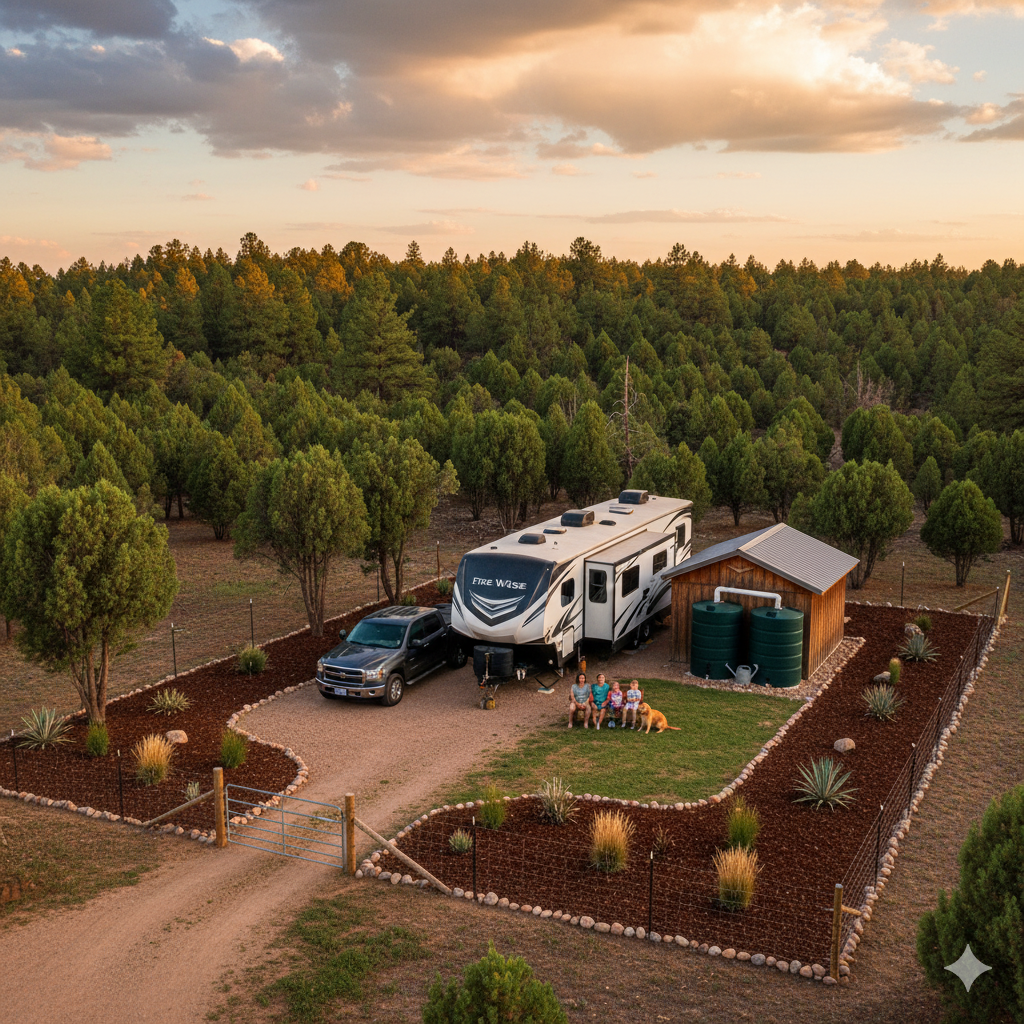
The rewards for harvesting rain are huge. We discussed the financial savings. Your water bill goes down. Your landscape plants are healthier. They grow faster. They also produce more flowers. This is because rainwater is clean. It lacks the salts found in tap water.
You also help your community. You reduce the strain on the city’s water infrastructure. This delays the need for new, expensive water plants. You reduce local flooding. Your neighborhood streets are safer. You protect the quality of local rivers. Less polluted runoff means healthier ecosystems.
There is a personal benefit too. Harvesting rain connects you to the environment. You become aware of the weather. Celebrate the rain! You see the direct link between the sky and your garden. It is a satisfying feeling. You are taking a positive, tangible step. You are living sustainably in the desert. In the end, you are part of a community solution.
Conclusion: Your Next Steps to Harvest Rain
Rainwater harvesting in Arizona is not just legal. It is essential. The state, cities, and counties know this. They support your efforts. The laws are on your side. The financial incentives are generous. For these reasons, there is no reason to wait.
Rainwater harvesting laws Arizona. You can start small. Install a single rain barrel. Dig one small basin for a tree. Or you can go big. Plan a 10,000-gallon cistern. Redesign your entire yard with swales. Every effort matters. Every drop you collect helps.
Here are your next steps.
- Check Your Local Rebates. Visit your city’s water department website. Look for rainwater harvesting rebates.
- Sign Up for a Workshop. If you are in Tucson, this is your first step. Even if you are not, these workshops are valuable.
- Analyze Your Property. Watch where water flows during a storm. Look at your roof. Identify downspout locations.
- Make a Plan. Decide on passive, active, or both. Start with a simple design.
- Install Your System. You can do it yourself. Or you can hire a professional.
You are now an informed Arizona resident, know the laws, know the benefits. Capture the rain and save money. Help secure Arizona’s water future. Start harvesting.
Rainwater Harvesting Laws Arizona
Koda Hollow Development